7 Ways to Reduce Corporate Travel Costs Without Compromising Employee Comfort

Introduction
Reducing business travel costs does not have to mean forcing employees into inconvenient flight timings or unsuitable hotels. Sustainable savings come from improving how travel is requested, booked, approved and reviewed.
The first step is visibility. If bookings are spread across emails, consumer websites and multiple agents, finance teams may struggle to identify avoidable costs. A structured corporate travel process helps companies find savings without undermining the purpose of the trip.
1. Create a clear travel policy
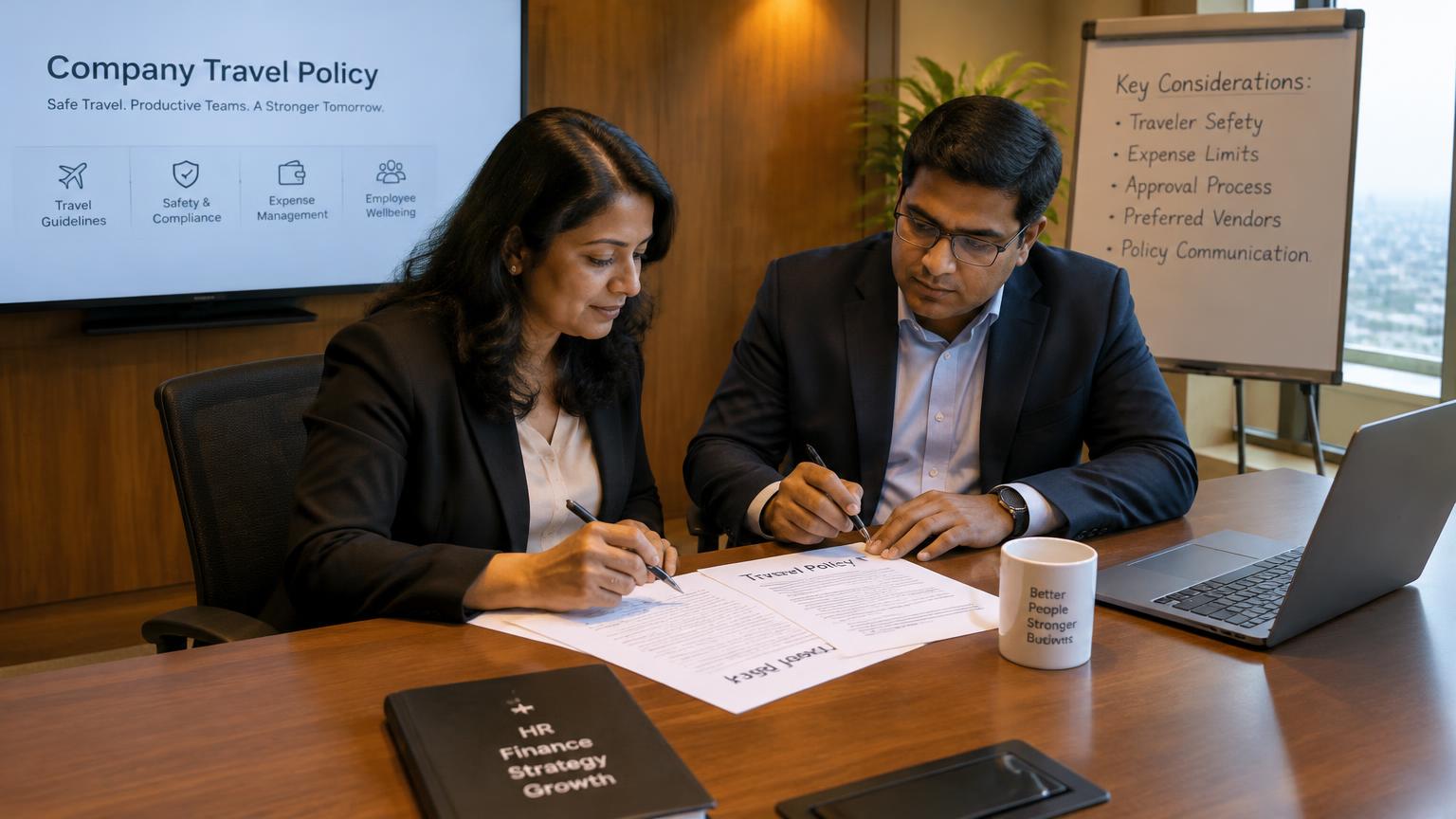
Define practical rules for advance booking, cabin class, hotel budgets, preferred suppliers and approval thresholds. A policy should be easy to understand and should reflect actual business needs. Rules that are unrealistic are more likely to be bypassed.
2. Encourage early booking
Last-minute bookings can limit choice and increase fares, particularly on high-demand routes. Set reasonable advance-booking expectations for trips that are known in advance. Track exceptions rather than penalising genuine urgent travel.
3. Make compliant options easy to find
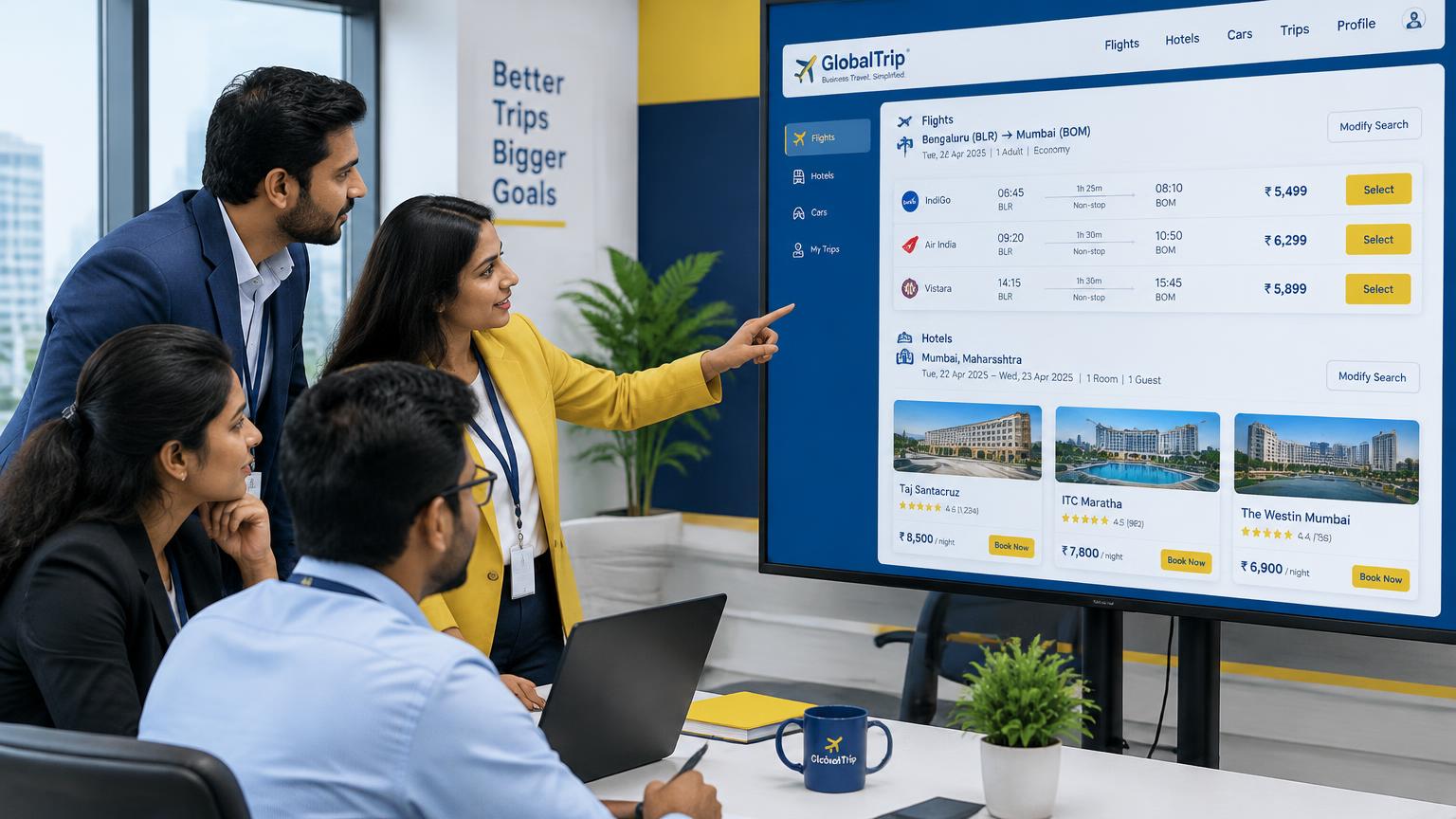
Employees may book outside policy when the approved process is slow or difficult to use. Offer a straightforward booking experience with relevant options visible in one place. A simple process can improve adoption and reduce leakage.
4. Review hotel spend separately
Hotel costs can vary significantly by city, season, event calendar and booking window. Review average nightly rates by destination and traveller group. Consider negotiated corporate rates or preferred properties where there is repeat demand.
5. Use approval workflows intelligently
Not every trip needs the same approval chain. Configure approvals based on factors such as trip value, department, destination or policy exception. This preserves oversight without creating unnecessary delays for routine travel.
6. Analyse travel data regularly
Review spend by route, department, traveller, booking lead time and supplier. Look for repeated last-minute bookings, frequent exceptions, unused bookings and unusually high hotel rates. Data is useful only when it leads to a specific action.
7. Consolidate bookings and support
When travel activity is fragmented, it is harder to negotiate, reconcile and support travellers. A central corporate booking channel can improve visibility and make it easier to understand the organisation's total travel requirements.
Savings should not come at the cost of productivity
The cheapest option is not always the best business decision. A flight that arrives too late for a meeting or a hotel far from the work location can create indirect costs. Consider total trip value, traveller productivity, safety and schedule reliability alongside price.
How Voyalys Edge can help
Voyalys Edge provides a corporate channel for flight and hotel bookings, supporting a more organised booking process and better visibility for the organisation. Combined with clear policies and active review, this can help businesses identify and manage travel spend more effectively.
Frequently asked questions
What is the biggest source of avoidable corporate travel cost?
There is no single answer for every company. Common areas to examine include late bookings, out-of-policy reservations, high hotel rates, unused bookings and fragmented purchasing.
Should companies always choose the lowest airfare?
No. Compare total journey time, arrival requirements, change conditions, baggage and traveller needs before selecting an option.
How can a company reduce hotel expenses?
Analyse rates by destination, use preferred properties where demand is recurring, set realistic budgets and review bookings made outside the approved channel.
How often should travel spend be reviewed?
Monthly reviews are a useful starting point for many organisations. High-volume programmes may benefit from more frequent monitoring.
Make travel spend more visible
Explore how Voyalys Edge can help bring corporate flight and hotel bookings into a more organised process.