Travel Expense Management: How to Reduce Manual Reconciliation and Improve Visibility

Introduction
Business travel expenses can be difficult to reconcile when bookings, invoices, payments and employee claims are spread across different systems. Finance teams may have to match emails, spreadsheets, card statements and supplier invoices manually.
A structured travel expense process improves the quality and availability of information. It also helps businesses identify unusual costs and close their books with fewer follow-ups.
What does travel expense management include?
Travel expense management covers the processes used to plan, record, review and account for costs associated with business trips. These may include flights, hotels, local transport, meals and other permitted expenses.
The exact scope depends on company policy and whether expenses are paid centrally, through corporate cards or reimbursed to employees.
Common problems with manual processes
- Booking details are spread across multiple channels.
- Invoices are submitted late or are missing.
- Employee claims do not clearly identify the trip or business purpose.
- Approval records are difficult to retrieve.
- Finance teams spend time matching payments and invoices.
- Management lacks a consolidated view of travel spend.
1. Standardise the booking channel
A central booking process can make it easier to locate reservations and supporting records. It also helps the organisation understand where bookings are being made.
2. Define expense categories and rules
Specify which costs are covered, which require prior approval and what documentation is needed. Keep categories consistent so that reporting is meaningful.
3. Capture invoices promptly
Create a clear process for collecting supplier invoices and checking recipient details. Follow up on missing documents before month-end wherever possible.
4. Link expenses to trips
Use a trip reference, employee identifier or cost centre to connect bookings, invoices and claims. This reduces ambiguity during reconciliation.
5. Build approval accountability
Define who reviews travel requests, exceptions and expense claims. Maintain an approval trail that can be retrieved when needed.
6. Review spend patterns
Monitor spend by department, destination, route, traveller and expense type. Look for repeated exceptions, late bookings and unusual costs.
What to look for in a travel management platform
Evaluate whether the platform provides central booking visibility, approval records, exportable reports, invoice access and integration options relevant to your finance workflow. Confirm the exact scope of each feature during implementation.
How Voyalys Edge fits into the process
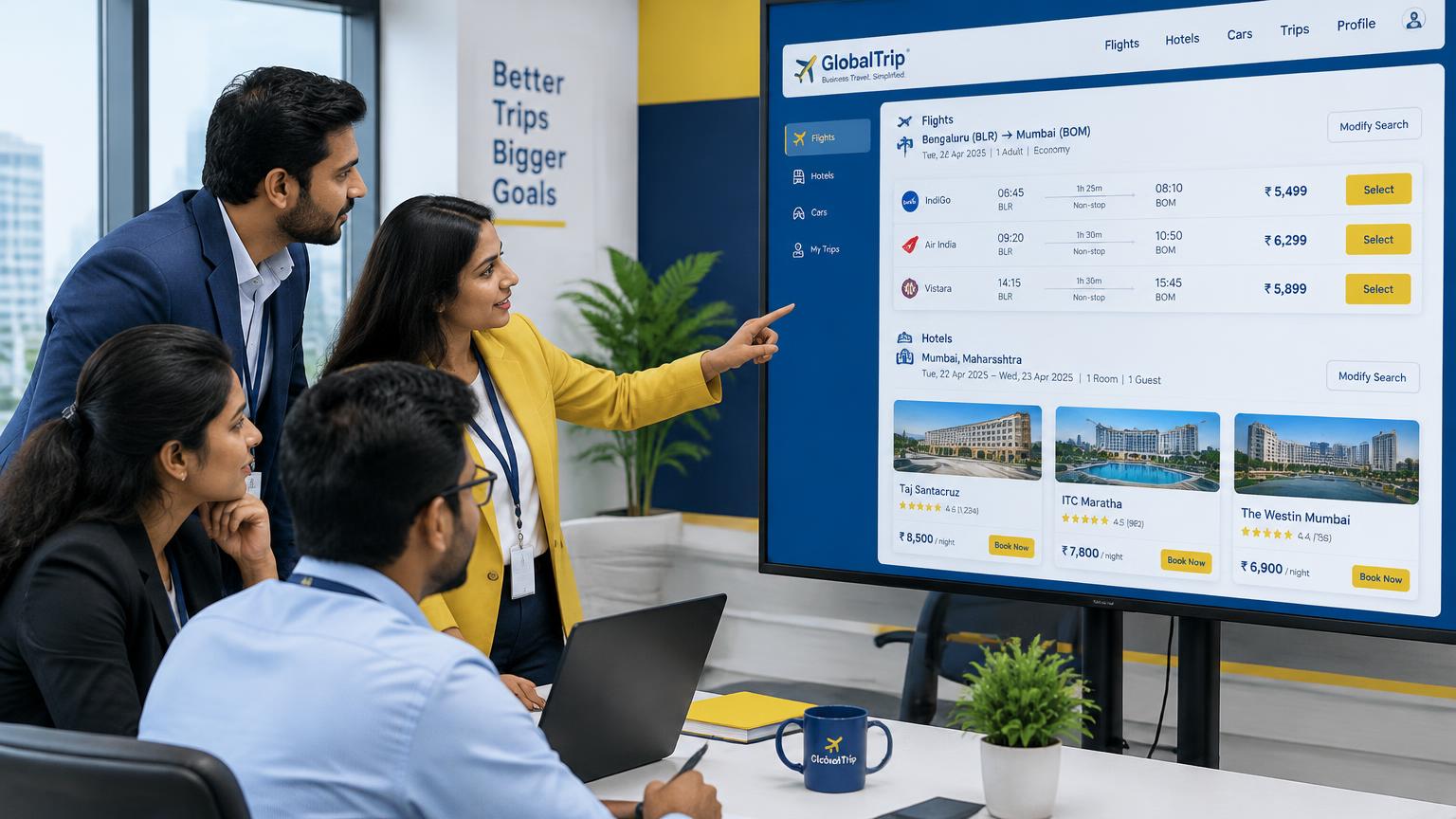
Voyalys Edge brings corporate flight and hotel bookings into a dedicated business travel channel. This can help create a more consistent source of booking information for administrators. Finance teams should confirm the available invoice, export and integration capabilities against their reconciliation requirements.
Frequently asked questions
Is travel expense management the same as reimbursement management?
No. Reimbursement management is one part of the wider process. Travel expense management can also include centrally paid bookings, supplier invoices, approvals and spend analysis.
How can finance teams reduce manual reconciliation?
Standardise booking channels, use consistent trip or cost-centre references, collect invoices promptly and define clear ownership for exceptions.
Which travel expenses should be tracked?
Track expenses covered by company policy, which may include flights, accommodation, ground transport, meals and other approved business travel costs.
Does a booking platform replace accounting software?
Usually not. A travel platform may support booking visibility and documentation, while accounting software remains the system of record for financial transactions unless a specific integration or broader capability is provided.
Make travel records easier to manage
Explore Voyalys Edge as a way to bring corporate flight and hotel bookings into a more organised workflow.